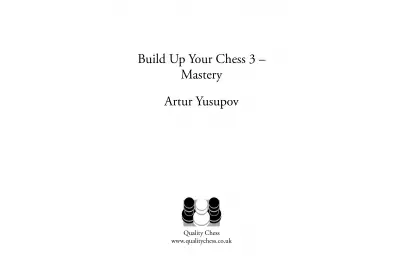


In his third full-length memoir about one of the world's greatest ever chess players Genna Sosonko portrays a warm picture of the seventh world champion Vasily Smyslov, with whom he spent considerable time over the board, during tournaments and while meeting at each other's homes. Smyslov the man was far more balanced and spiritual than most of his contemporaries, capable of a relaxed and yet principled approach to life. Unlike most top players he was able to reach a very high standard in his chosen hobby - in his case, classical singing - even while playing chess at the very top. His natural inclination to see the best in people was, however, challenged as the world around him underwent fundamental changes late in his life.
The new freedoms of the post-Soviet era also engendered one of the most extraordinary polemics in chess history - David Bronstein's article "Thrown" Games in Zurich (2001) - bringing accusations against Smyslov that forced him to defend himself at the age of eighty, by which time many witnesses to the events in Zurich were already deceased. In this book, Genna focuses in particular on that polemic, places it in the wider context of the so-called Soviet Chess School, and asks whether Bronstein's hurt and accusations were justified.
Nikt jeszcze nie napisał recenzji do tego produktu. Bądź pierwszy i napisz recenzję.
Tylko zarejestrowani klienci mogą pisać recenzje do produktów. Jeżeli posiadasz konto w naszym sklepie zaloguj się na nie, jeżeli nie załóż bezpłatne konto i napisz recenzję.
Koszt wysyłki:od 15,00 zł
Numer katalogowy:9785950043321
Kod EAN:9785950043321
Waga:0,25 kg
Producent:New In Chess
Szachy od wieków fascynują ludzi na całym świecie. Choć wielu osobom wydaje się, że to gra tylko dla mistrzów i geniuszy, prawda jest zupełnie inna. Każdy może nauczyć się grać w szachy, a pierwsze kroki są znacznie prostsze, niż się wydaje. ♟️
Jak przygotować się do turnieju szachowego?♟️ Kulisy gry, której nie widać na szachownicy ✨
Udział w turniejach szachowych to nie tylko sprawdzian umiejętności, ale i prawdziwa przygoda – emocjonalna, intelektualna i organizacyjna. Jeśli planujesz zadebiutować lub wracasz na szachowe areny, warto wiedzieć, jak się przygotować i co naprawdę dzieje się za kulisami takich wydarzeń.